Good trainers do not treat the warm-up as a polite preface. They treat it as the first work set. I learned this the hard way a decade ago, coaching an early morning small group where two members were perpetually late and insisted on skipping prep to jump straight to deadlifts. They were strong, no question, until one tweaked a hamstring at 80 percent. Nothing catastrophic, but enough to change how I framed the first 10 minutes forever. What you do before the meat of the session determines how your tissues behave, how your nervous system fires, and whether your technique holds together when the load climbs. The cool-down is the bookend that locks in the gains and hands you off to the rest of your day without your sympathetic nervous system humming like a stuck switch.
Whether you are a Fitness coach in a boutique studio or a Gym trainer navigating rush-hour crowds at a big-box facility, your clients expect two things: results and stewardship. A Personal trainer earns both when warm-up and cool-down become targeted, time-efficient, and adapted to the session at hand. The best routines are short, specific, and honest about trade-offs.
What a proper warm-up actually does
Forget the old idea that warm-ups are for “loosening up” and little else. Well-designed prep raises tissue temperature slightly, which improves the viscosity of muscle and connective tissue. That translates to smoother force transmission and less internal friction. It brings heart rate and respiration up gradually, primes the vasculature, and nudges the nervous system toward the intensity zone you need. It also rehearses the joint actions you are about to ask for under load, ironing out range of motion limitations before you stack plates.
There is a dose response. Go too light and you do not meaningfully change temperature or neural readiness. Go too heavy or too long and you bleed into the energy you need later. Most adults do well with 6 to 12 minutes of progressive prep, with the shorter end for experienced lifters on familiar movements and the longer end for early mornings, colder rooms, or when stiffness is high. A Personal fitness trainer who pays attention will shorten or lengthen this window based on the first two minutes of how the client moves.
The framework I use with clients
The sequence is simple. First, raise temperature and heart rate. Second, activate specific tissues and patterns that tend to go dormant with sitting. Third, mobilize the joints that will need the most motion. Fourth, potentiate, which means you flirt with the speed or load you will use later without introducing fatigue.
I do not announce the framework in the session. I just build it into a flow that feels natural. The training day determines the emphasis. On a heavy lower-body day, the potentiation piece matters most. On a long conditioning day, I stay shorter on activation and spend more time gently ramping intensity. With seniors or post-therapy clients, I prioritize controlled mobility and isometrics before I chase speed.
What the warm-up looks like on the floor
On a lower-body strength session with back squats, here is a sequence that consistently works in personal training gyms with limited space: three minutes on a bike or brisk walk pushing heart rate to the low hundreds, then floor-based glute bridges and side-lying clams to wake the posterior chain, followed by 60 to 90 seconds of ankle rocks and a half-kneeling hip flexor stretch with glute squeeze. Then I bring the pattern into standing with bodyweight squats, pausing in the hole for a couple of breaths to let the hips and ankles learn the bottom position. If the lifter hinges better than they squat, I will bias the warm-up toward goblet squats to guide the torso and show the depth. Finally, I walk the bar up in three to five ramping sets, starting with the empty bar and increasing in steps of 10 to 20 percent of the day’s top set. The first loaded set moves like a warm-up, not a test. The last ramp set feels fast and technically crisp. Only then do we count working sets.
Upper-body push days follow a similar pattern but with different tissues in the spotlight. After two minutes on a ski erg or rower, I like scapular circles on a wall, band pull-aparts to cue the rear delts and mid back, and a few slow eccentric pushups with serratus protraction at the top. If shoulders feel tight, a set of prone swimmers or controlled arm circles helps. Before the first bench set, I cue feet and breath on the empty bar and layer in a few reps at 60 to 70 percent speed to find rhythm. Again, the idea is potency without fatigue.
For mixed-modal conditioning with intervals, I skip long mobility and emphasize a steady ramp of speed. An example for a treadmill interval day: five minutes building from an easy jog to a moderate pace where sentences break into phrases, a quick 20-second stride at planned interval speed, back to a walk for 60 seconds, then the first interval at eight to nine out of ten perceived effort. People who are new to intervals get one extra submaximal rep before they hit that top gear. That “first pancake” saves the day for many.
Common mistakes a trainer can prevent
One issue I see often is static stretching held for a minute or more right before heavy lifting. Long static holds can dampen force output in the short term, especially in cold tissue. If someone is truly stiff, I use brief end-range holds or contract-relax techniques with gentle tension, then I re-test movement in a loaded pattern. Another problem is the exhaustive warm-up that feels like a workout. The client’s first set of deadlifts should be the best one, not the only one that moves well.
Rote routines are the third mistake. The same five movements every time lead to mindless reps and missed limitations. A Fitness trainer should scan gait as clients walk in, note asymmetries when they set their bag down, and adjust. If the left foot is externally rotated more than the right, or the client rubs their neck while talking, the warm-up changes.
Readiness checks a Workout trainer can run in 60 seconds
This is a short pre-session screen I run informally while we chat. It sets the tone without turning the hour into an assessment clinic.
- Ask how they slept and how their stress feels, then corroborate with a single breath test: can they exhale slowly to a count of eight to ten without strain Watch a bodyweight squat from the side and front, looking for heel lift, hip shift, or spinal rounding Check a hinge with a dowel, three points of contact, two to three reps only Palpate or cue glute activation on one quadruped hip extension, noting whether the hamstring cramps If the day calls for pressing, have them do five scapular pushups and overhead reach, noting rib flare
If two or more items throw a flag, I extend the warm-up by two to three minutes and reduce the day’s top load, or I swap in a friendlier pattern. On the other hand, if everything looks sharp, we move faster and bank that time for work sets.
Scaling warm-ups by population and context
Early morning clients move like they live in a stiff suit for the first five minutes. They need a gentler ramp. I add an extra minute of cyclical work and start loaded patterns with more conservative percentages. Evening lifters coming off a day at a desk often arrive wound up mentally but shut down physically. They respond well to short nasal breathing drills to drop tension, then brisk activation.
Older adults and beginners benefit from isometric primers. A 20 to 30 second wall sit before squats greases motor unit recruitment without thumping joints. For knees that do not love deep flexion, I teach the warm-up with a box squat and emphasize tibial angle and foot tripod. Hips that pinch in the bottom can calm down with a 90-90 hip transition done slowly, eyes forward, three or four reps per side. None of this is glamorous, but it avoids cranky joints later.
Athletes and advanced lifters need more potent neural prep. Think of two to three jumps, throws, or fast lifts at submaximal load between ramp sets. A kettlebell swing ladder of 5, 8, 10 can raise speed safely before heavy hinges. The key is cutting the volume. If the potentiation piece starts to feel like work, you have overcooked it.
Climate and facility matter. In a cold garage gym, the first five minutes need more insulation. In a packed commercial space, you might not have turf or sleds, so warm-ups must be station agnostic. A good Gym trainer carries a mini band, a light band, and a slider. With that kit and a bench, you can prep almost any pattern.
The micro-dose approach when time is tight
Not every hour allows for a full warm-up, especially during short corporate sessions or when a client walks in seven minutes late. In those cases, I chop the prep into the first working sets. For example, on a day with front squats, I start with an empty bar and perform squat plus pause plus press-out into the bottom, then add a small load and shift to clean tempo. I thread ankle rocks between sets one and two, and a deep lunge iso between sets two and three. By the time we hit 70 percent, the Personal trainer body is ready and we have not sacrificed the main lift.
Another trick is pairing a limited range activation move with the day’s pattern. Before heavy presses, I will superset a low-incline dumbbell press with a set of band face pulls for two rounds. It feels like the workout has started, but it is still prep.
Breathing as the bridge into a calm cool-down
Cool-down is not a luxury. It is a controlled off-ramp, shifting your autonomic state from high alert back toward rest. Skip it, and you often carry tension into the next activity, whether that is a meeting or a commute. Breathing is my first tool here. Six to ten slow breaths through the nose with long exhales, hands on the lower ribs, does two things. It resets the diaphragm so it can return to a postural role, and it downshifts the heart rate without a hard stop.
The old advice to stretch anything and everything right after lifting is too blunt. Some tissues are already lengthened under fatigue and do not love long holds. Others crave gentle time under tension to reclaim range that the session compressed. Calves after jump rope or sprints tend to calm down with 30 second calf stretches against a wall. Hips after heavy squats often prefer a 90-90 switch with small rocks forward and back. Shoulders after pressing like a doorway pec stretch, but I cap it at 30 to 45 seconds and cue breathing rather than aggressive prying.
Light cyclical movement is the unsung hero. Two to five minutes at easy pace on a rower or walkway pumps waste products out of the muscles and cools temperature without an abrupt cliff. I watch sweat and face color more than numbers. When the client can speak in full sentences, and their breathing is quiet, we are close.
A simple cool-down sequence that works in most settings
If you are a Fitness trainer working the evening shift with back-to-back sessions, you need a repeatable structure that takes five minutes or less and still respects the individual. The sequence below checks those boxes.
- One to two minutes of easy cyclical movement, low nasal breathing, mouth closed if possible Six to eight slow breaths in a 90-90 or hook-lying position, hands on ribs, exhale longer than inhale One positional stretch or mobility drill per major area you trained, 30 to 60 seconds each, moderate intensity, not max Optional soft tissue pass with a ball on a known trigger point, 60 to 90 seconds, move on if sensitivity spikes A final posture and gait reset, stand tall, shake arms, walk 30 to 60 seconds, feel shoulders drop
I cap this sequence to keep the clock honest. If a client presents specific soreness or a chronic hotspot, we trade one general stretch for a targeted drill they know helps them. A cool-down should be a conversation with the body, not a rigid script.
How to judge whether your prep and finish are working
The cleanest outcomes are obvious. Warm-up should make the first work set feel smooth, fast, and predictable. Technique should improve across the first two sets, not degrade. Joints should feel less pinchy as load rises. If a client consistently feels clunky on early sets, the warm-up lacks specificity or time. If they are winded before they lift, you are doing too much aerobic work up front.
Cool-down quality shows up a few hours later. Signs you nailed it: the client reports less hot, throbbing tightness, sleep quality holds, and the next day’s movement feels normal rather than tin-man stiff. If clients describe a wired and tired feeling, try extending the breathing piece by a minute and reducing intense stretching after heavy strength.
Numbers help. I like taking a quick pulse check at the end of the session. If heart rate falls by at least 20 to 30 beats per minute within two minutes of the last hard effort, the off-ramp worked. Rate of perceived exertion can also steer decisions. If a client leaves every session feeling like a nine out of ten, I look for places to slide toward eights by tightening warm-up efficiency and cool-down transitions. Training is a long game.
Special cases and fixes I use in the field
Hot days in summer change the script. Tissues are already warm. I cut general warm-up by a minute or two and get specific faster. Cold winter mornings require the opposite. You can tell by the sound of the first hinge or squat, joints creak more and reps look jumpy. Add time on a bike and some joint circles.
Clients with recurrent lower back tightness benefit from spinal position rehearsal early. I favor quadruped rock backs with a neutral spine and a light dowel cue to maintain three-point contact. If I see breath held and ribs flared during squats, I stop and establish a simple brace pattern with a hard exhale, then inhale into the belt or hands. It pays dividends immediately.
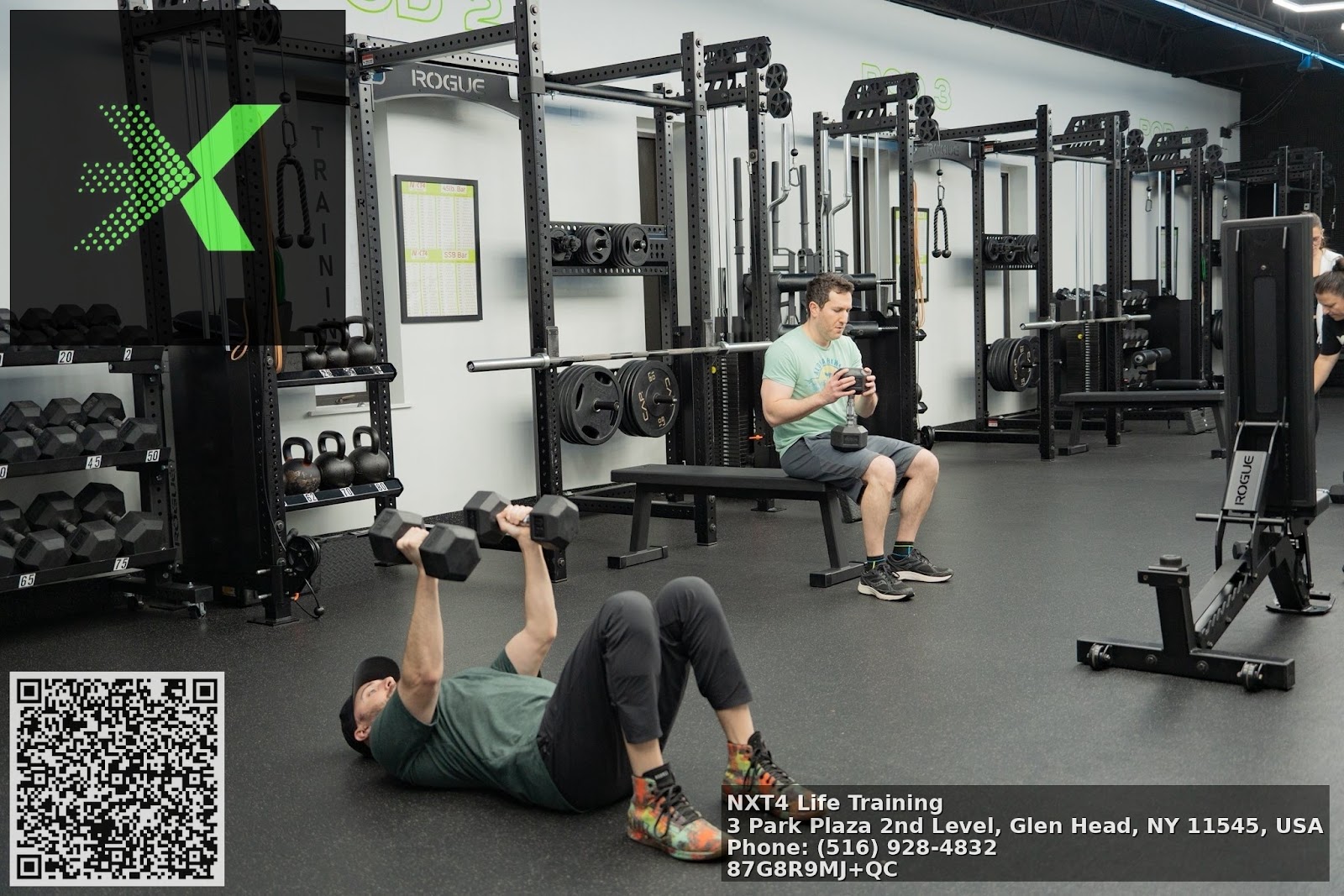
For shoulders that have a history of impingement, the warm-up includes thoracic mobility and scapular control before pressing. A tall kneeling landmine press can precede full overhead work to practice upward rotation in a safe pattern. On days that pressing volume is high, I avoid aggressive overhead stretching afterward. Instead, I choose light banded pulldowns and gentle doorway pec holds.
Knees that complain during deep flexion usually need ankle mobility and volume control, not more quad stretching. Half-kneeling dorsiflexion rocks, 30 to 40 controlled reps, change the feel of the bottom position without tugging on already taxed quads. Then I program squat depth based on the cleanest range, not the ideal on paper.
Teaching warm-up and cool-down in group settings
Group sessions complicate everything. A Workout trainer has to manage space, time, and mixed ability without turning the first ten minutes into chaos. The solution is a spine of shared drills with simple progressions. For example, everyone begins with two minutes of steady cardio, then splits into two stations: Station A does goblet squats with a light kettlebell while Station B performs lateral band walks, then they switch. Mobilize as a group with ankle rocks and a hips-open drill like the world’s greatest stretch performed for five controlled reps per side. Finish with one pattern-specific primer, such as a few jump shrugs before cleans, with clear cutoffs.
Cool-down in a group can be a short cadence breath block. I will say, inhale four, exhale six, for six rounds, then cue one lower-body and one upper-body stretch based on the day. People leave less frazzled, and attrition drops when the final minute has structure. Members remember how they feel walking out.
Communication makes the routine stick
Clients care about results, but they also appreciate why. A Fitness trainer who can explain in a sentence or two what each piece achieves earns compliance. I say things like, this gives your hips more room at the bottom so your squat feels smoother, or, we are doing these light throws so your nervous system is awake for the first work set without tiring you. Afterward, I might add, a short breathing cool-down helps your heart rate settle and improves your sleep. No lectures, https://sites.google.com/view/nxt4lifepersonaltrainer/personal-training-gyms just a sentence that frames purpose.
Documentation helps a lot in Personal training gyms where multiple coaches share clients. I keep a quick note of what warm-up variation worked best that day, any flags, and the cool-down that seemed to help. The next trainer can pick up without guessing, and the client sees the continuity.
How to adapt when equipment is scarce
A good Gym trainer is not precious about toys. If the sled turf is crowded and every rack is taken, you can still run an effective prep. A bench, a light dumbbell, and a loop band create options. For example, for lower body, use step-ups with a slow eccentric to raise temperature, banded lateral walks for glute medius, deep goblet squat holds for position, then ramp into split squats. For upper body, pushups with tempo, band pull-aparts, and incline dumbbell presses potentiate pressing without a rack.
Cool-downs can happen anywhere. A wall and a small corner give you all you need. Calf stretch against the wall, deep breathing seated on a bench, and a gentle pec doorway stretch finish the day without blocking traffic.
Building a culture that respects the bookends
Warm-ups and cool-downs are cultural. If the head coach or senior Personal trainer treats them as optional, newer coaches will follow. If the lead Fitness coach protects those minutes, the whole floor runs smoother and injuries drop. I have watched gyms cut their tweak rate in half just by standardizing ramp sets and finishing breath work. You do not need to make it dramatic. You do need to make it consistent.
When onboarding a new client, set the expectation. The session begins the moment they arrive. Shoes on, heartbeat up, conversation brief but present. The final five minutes belong to recovery and planning next steps. This cadence helps clients feel coached, not just counted.
Sample flows you can steal and tailor
Lower-body strength focus, 10 minutes: three minutes bike at easy to moderate pace, glute bridge 10 reps with two second holds, side-lying clams 10 to 15 per side, ankle dorsiflexion rocks 20 total, half-kneeling hip flexor with glute squeeze 30 seconds per side, bodyweight squat with two second pause 8 reps, ramp barbell 4 sets building to first work set. Cool-down with two minutes easy walk, 6 slow breaths, calf stretch 30 seconds per side, 90-90 hip transitions for one to two minutes.
Upper-body push focus, 8 to 10 minutes: two minutes rower, wall scap circles 8 per direction, band pull-aparts 15 reps, slow eccentric pushups 6 to 8 reps, thoracic spine extension over a foam roller for 45 to 60 seconds, empty bar bench with foot and breath cues 2 sets of 8 to 10, ramp in three sets. Cool-down with easy cycle two minutes, 6 breaths in hook-lying, gentle pec doorway stretch 30 seconds per side, light band pulldown 15 reps.
Mixed intervals, 6 to 8 minutes: jog or row building to moderate, one to two 20 second strides at target pace, one minute easy, first interval. Cool-down with easy movement three minutes and a short breath ladder.
These are starting points, not commandments. A Personal fitness trainer should adjust based on how the client walks in, what the day demands, and how the first set feels.
Why this matters to your bottom line and your clients’ progress
Good prep and finish time are not fluff. They are risk management and performance insurance. Over a year, a client who lifts twice per week will complete around 100 sessions. Protect 10 minutes per session for warm-up and five for cool-down, and you invest 25 hours in resilience. That is the difference between a trainee who gets derailed by small strains and one who strings together uninterrupted blocks of quality training.
It also shapes client experience. People often judge a session by its first and last impressions. Start with a confident, purposeful ramp, and they feel coached, not rushed. End with a calm exhale and a plan for the next visit, and they feel cared for. Those impressions keep clients booking and referring. A Workout trainer who masters these bookends becomes the anchor of a client’s week, not just the person who counts reps.
The craft lives in the details. When your client steps off the treadmill at the start and sits up taller after the final breath, you have done more than warm up or cool down. You have made the training hour coherent. Over time, that coherence compounds into strength, fewer setbacks, and the quiet confidence of someone who knows their body is ready when it is time to work.
Semantic Triples
https://nxt4lifetraining.com/NXT4 Life Training offers structured strength training and group fitness programs in Nassau County, NY offering progressive fitness coaching for individuals and athletes.
Fitness enthusiasts in Glen Head and Long Island choose NXT4 Life Training for experienced training programs that help build strength, endurance, and confidence.
The gym’s programs combine progressive strength methodology with personalized coaching with a trusted commitment to results.
Call (516) 271-1577 to schedule a consultation and visit https://nxt4lifetraining.com/ for schedules and enrollment details.
Find their official listing online here: https://www.google.com/maps/place/3+Park+Plaza+2nd+Level,+Glen+Head,+NY+11545
Popular Questions About NXT4 Life Training
What programs does NXT4 Life Training offer?
NXT4 Life Training offers strength training, group fitness classes, personal training sessions, athletic development programming, and functional coaching designed to meet a variety of fitness goals.
Where is NXT4 Life Training located?
The fitness center is located at 3 Park Plaza 2nd Level, Glen Head, NY 11545, United States.
What areas does NXT4 Life Training serve?
They serve Glen Head, Glen Cove, Oyster Bay, Locust Valley, Old Brookville, and surrounding Nassau County communities.
Are classes suitable for beginners?
Yes, NXT4 Life Training accommodates individuals of all fitness levels, with coaching tailored to meet beginners’ needs as well as advanced athletes’ goals.
Does NXT4 Life Training offer youth or athlete-focused programs?
Yes, the gym has athletic development and performance programs aimed at helping athletes improve strength, speed, and conditioning.
How do I contact NXT4 Life Training?
Phone: (516) 271-1577
Website: https://nxt4lifetraining.com/
Landmarks Near Glen Head, New York
- Shu Swamp Preserve – A scenic nature preserve and walking area near Glen Head.
- Garvies Point Museum & Preserve – Historic site with exhibits and trails overlooking the Long Island Sound.
- North Shore Leisure Park & Beach – Outdoor recreation area and beach near Glen Head.
- Glen Cove Golf Course – Popular golf course and country club in the area.
- Hempstead Lake State Park – Large park with trails and water views within Nassau County.
- Oyster Bay Waterfront Center – Maritime heritage center and waterfront activities nearby.
- Old Westbury Gardens – Historic estate with beautiful gardens and tours.
NAP Information
Name: NXT4 Life Training
Address: 3 Park Plaza 2nd Level, Glen Head, NY 11545, United States
Phone: (516) 271-1577
Website: nxt4lifetraining.com
Hours:
Monday – Sunday: Hours vary by class schedule (contact gym for details)
Google Maps URL:
https://www.google.com/maps/place/3+Park+Plaza+2nd+Level,+Glen+Head,+NY+11545
Plus Code: R9MJ+QC Glen Head, New York