People walk into a gym with a goal and a dozen assumptions. Trainers sit at the center of many of those assumptions. Some think a trainer will fix everything in six sessions. Others imagine trainers as glorified drill sergeants, salespeople, or miracle workers. Having worked with clients across ages, goals, and budgets, and having trained both in private studios and larger personal training gyms, i want to untangle fact from fiction. Beneath each myth you will find practical details, trade-offs, and examples you can use when choosing a fitness trainer.
Why this matters Most people who hire a fitness trainer invest money and time they cannot get back. A clear understanding of what a trainer does, what results are realistic, and how to work with one prevents disappointment and wasted effort. The right trainer accelerates progress; the wrong Personal trainer NXT4 Life Training one stalls it or causes injury.
Myth 1: trainers are just there to push you, not to design programs This one persists because many people meet trainers at the point of motivation, often after months of inconsistent effort. Some trainers do act primarily as motivators, and that can be useful, but a competent personal trainer blends coaching, programming, and behavior change.
What programming looks like A thoughtful program begins with an assessment. That might be a 10 to 30 minute conversation and movement screen where the trainer checks mobility, baseline strength, movement patterns, and any medical limitations. From there, sessions are mapped across weeks with progressive overload, deloads, and variety. Good trainers write down progressions and adjust based on outcomes, not on a fixed script. Expect concrete details: target rep ranges for strength work, tempo cues for lifts, and a sense of how sessions fit into a weekly training load.
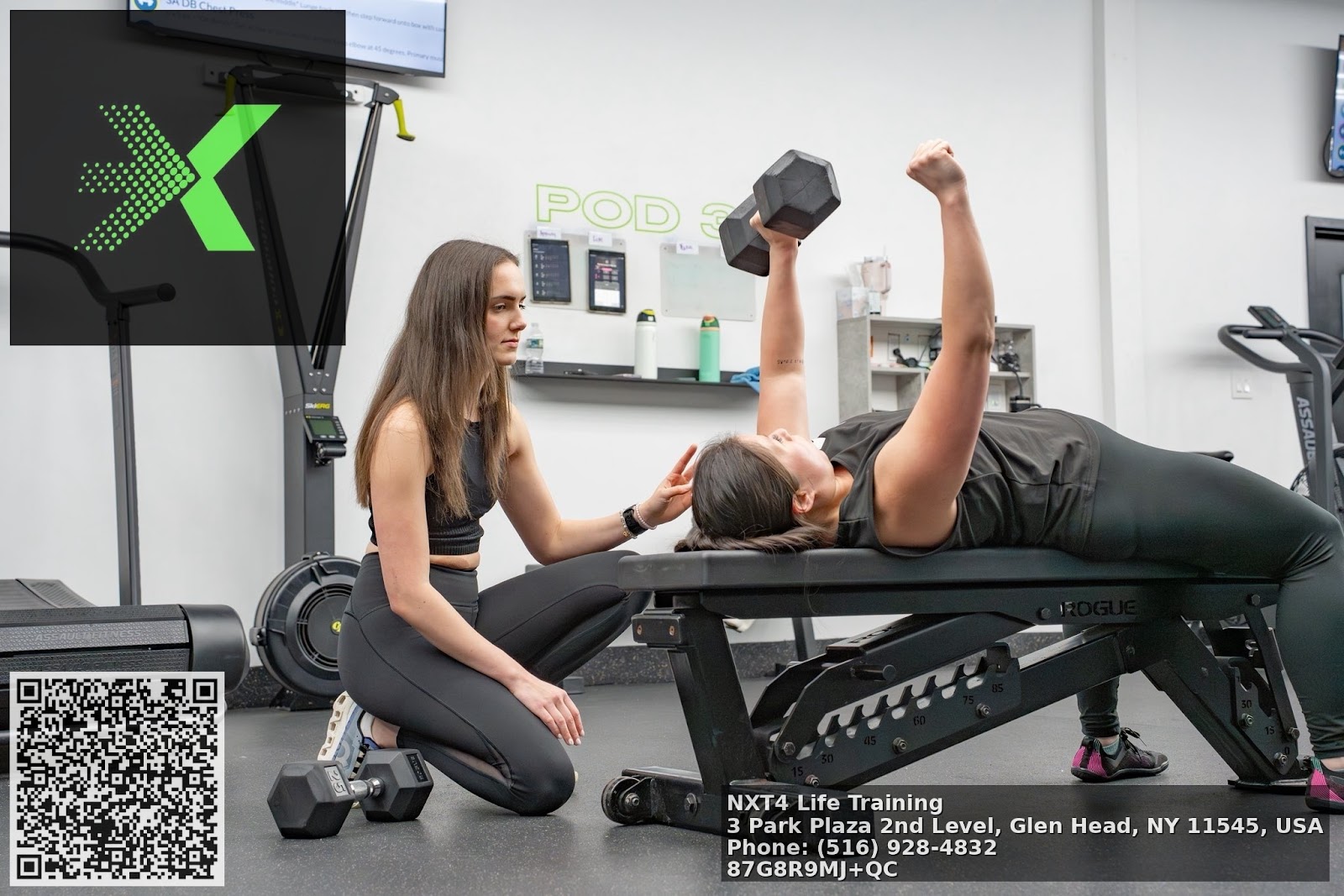
An example I once worked with a client whose main priority was to lift heavier for weekend rock climbing. Instead of random gym circuits, the trainer layered three focuses across eight weeks: posterior chain strength, grip conditioning, and antagonist mobility. Session intensity varied, with one heavy day, one moderate technical day, and one conditioning day. Within six weeks the client reported climbing harder problems and feeling less elbow pain. That outcome came from targeted program design, not from shouting motivation.
Trade-offs and edge cases If you only want someone to show up and make workouts "fun" with varied circuits, a trainer who focuses more on session-to-session novelty might fit. If you need measurable progress, like improving a 1-rep max or rehabbing a shoulder, prioritize trainers who document and periodize training. Not every trainer specializes in every goal; ask about past clients with similar objectives.
Myth 2: all trainers are equally qualified if they look fit A chiseled physique does not guarantee coaching skill. Certifications range from short weekend courses to multi-year programs with supervised practicum. Experience matters, but the type of experience matters more than the quantity.
What qualifications and experience to consider Look for certification from a recognized body that requires continuing education and liability coverage. Beyond the certificate, ask about case experience. How many clients have they trained with a similar issue to yours? Have they worked with older adults, athletes, clients with metabolic conditions, or post-surgical clients if that is relevant to you? Also pay attention to communication skills. Being able to explain why a movement is prescribed and how it progresses is as important as prescribing it.
Example of poor fit A client hired a trainer because that trainer had an impressive Instagram. Within two months the client had chronic knee pain from poorly cued squats. The trainer had no background in corrective exercise and had relied on imitation rather than assessment. Switching to a trainer with a rehabilitative background resolved the issue.
Costs and realistic expectations Trainers' rates vary widely, often from about $30 per session at low-cost gyms to $150 or more in boutique studios, with private trainers in major cities charging even higher. Higher price can reflect experience, specialized certifications, or a one-on-one environment, but it does not automatically mean better coaching. Ask for references, observe a session if possible, and use a trial session to evaluate fit.
Myth 3: trainers will force you to follow a strict diet Nutrition advice sits in the gray area between general guidance and medical nutrition therapy. Many trainers provide practical eating recommendations, but licensed dietitians handle complex nutrition plans for medical issues.
What trainers typically do Most competent trainers offer basic nutrition principles: calorie awareness, protein spacing, meal timing around workouts, and simple strategies to reduce processed foods. Some trainers have additional certifications in sports nutrition and can provide more detailed plans, like macronutrient targets and supplementation guidance. However, anything involving clinical dietary management for conditions like diabetes, severe allergies, or eating disorders belongs with a registered dietitian.
A practical example A trainer set up a protein target and suggested pre- and post-workout snacks for a middle-aged client aiming to retain muscle while losing fat. The client cut evening snacking, increased protein to about 25 to 35 grams per meal, and lost 6 to 8 pounds of fat in three months while maintaining strength. The trainer did not design a medical diet, they provided evidence-based coaching that integrated with training.
Boundaries and ethics Be cautious if a trainer promises rapid weight loss through extreme dieting or prescribes meal replacements without medical oversight. Ethical trainers refer out when nutrition needs exceed their scope. If a trainer insists on a one-size-fits-all rigid meal plan without discussing lifestyle or food preferences, that is a red flag.
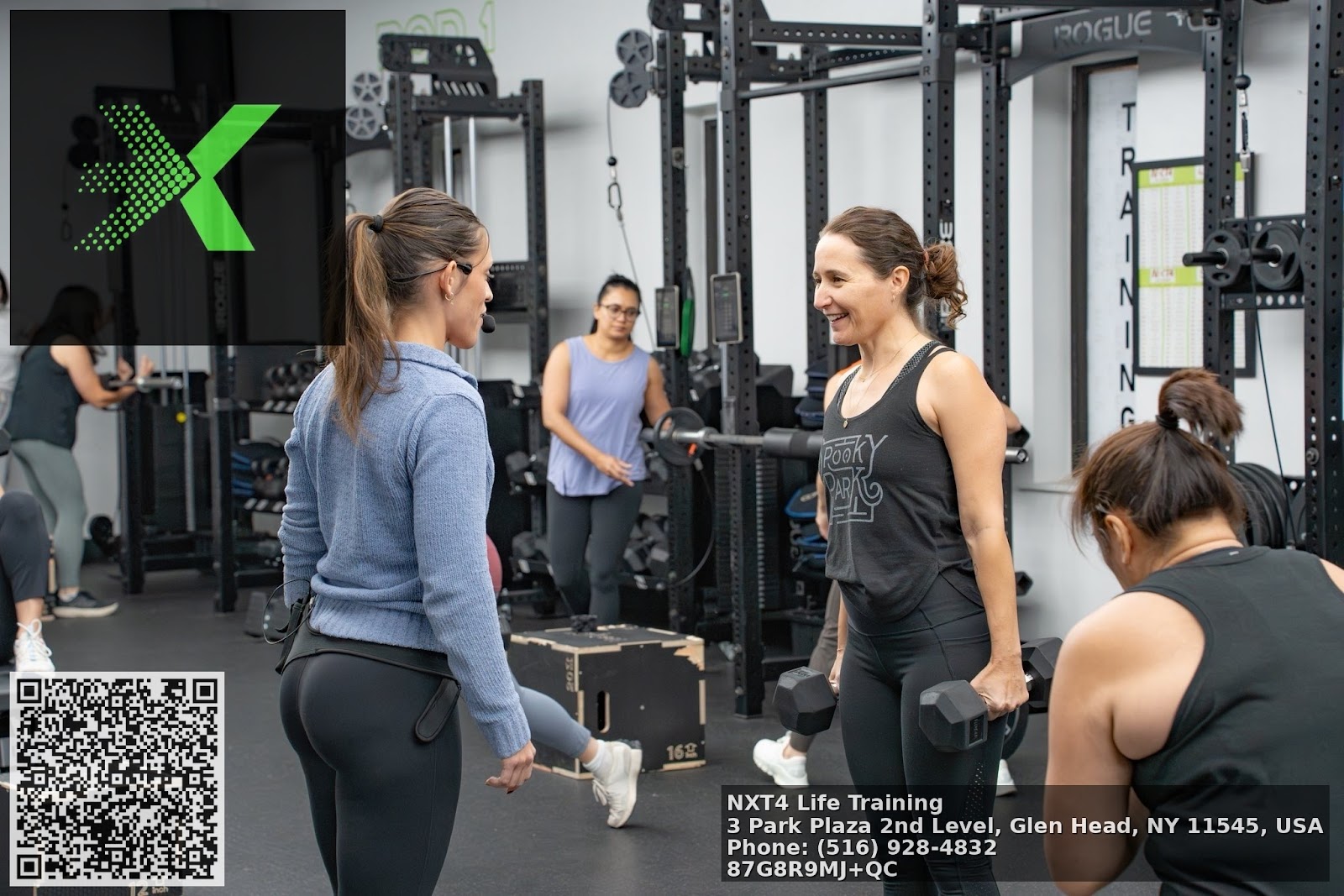
Myth 4: trainers always push you to the point of soreness, pain equals progress Soreness after training is common when you introduce novel loads or volumes, but soreness is not a reliable indicator of effectiveness. Pain is a sign something is wrong.
Understanding soreness and adaptation Delayed onset muscle soreness usually peaks 24 to 72 hours after unfamiliar exercise. It signals microtrauma in muscle fibers during adaptation, but consistent training reduces soreness even as strength or hypertrophy increases. Smart programming controls intensity and includes recovery rather than chasing soreness as a goal.
When pain is a problem Sharp joint pain, persistent aching that worsens over days, or numbness and tingling are signs to stop and reassess technique, load, or movement choice. A trainer should determine whether pain is mechanical, neurological, or inflammatory and modify the program or refer to a medical professional. Trainers who celebrate pain or push through it without evaluation risk causing injury.
An illustrative case A client who had low back discomfort was told to "work through it" by an enthusiastic trainer at another gym. Within two weeks the client developed increased pain and required physical therapy. After rehabilitation, a different trainer reintroduced strength with gradual loading and better hip hinge mechanics, resulting in pain-free progress. The key was measured progression, not pain chasing.
Myth 5: you either need a trainer or nothing, there is no middle ground Training approaches exist on a spectrum: self-guided, semi-coached, and fully coached. Each level has advantages and trade-offs. A trainer can be a short-term primer, a long-term coach, or something in between.
Ways people work with trainers successfully Some clients hire a trainer for 4 to 8 weeks to learn fundamentals: squat, hinge, press, pull, and basic programming principles. Others use a trainer for monthly check-ins and written programs between sessions. A third group prefers weekly hands-on coaching for performance or rehabilitation. All these arrangements can work depending on budget, discipline, and goals.
How to get the best of both worlds If you want savings and independence, consider a hybrid approach. Have a trainer teach technique in one or two sessions, then receive a written plan to follow for 6 to 8 weeks with periodic video check-ins. Many trainers now offer remote coaching or program writing that includes monthly in-person technique reviews. This reduces cost while preserving quality.
A real-world comparison A busy professional wanted to build strength but could not commit to frequent sessions. They paid for a 12-week package: four in-person technique sessions, a progressive program, and two monthly video reviews. The client increased their squat 20 percent and stayed consistent because the plan fit their schedule. The trainer provided structure and accountability without full-time presence.
How to evaluate and hire a trainer Evaluating a trainer is less about credentials and more about fit, communication, and demonstrated results. Before committing, ask questions, observe, and use a trial session.
Checklist: five questions to ask a prospective trainer
What are your certifications and how do you keep up with continuing education Can you give examples of clients with goals like mine and their typical timelines How will you assess my movement and program me over the long term What are your fees, cancellation policy, and available scheduling options How do you handle injuries or medical issues and when would you refer outPractical negotiation points Ask for a trial session or money-back guarantee for the first month if the trainer offers it. Clarify session length, whether warm-up and mobility are included, and if they track metrics like weight, reps, or movement quality. If you train at a personal training gym, ask about trainer turnover and whether programs carry over if the trainer leaves.
Red flags and green flags Red flags include vague program explanations, pressure to buy supplements, and refusal to document progress. Green flags include clear assessment protocols, references, a willingness to scale exercises, and transparent pricing. A trainer who asks about your sleep, stress, and schedule is demonstrating holistic coaching rather than tunnel vision.
Working with a trainer: practical tips Be honest about past injuries, medications, and time constraints. Show up with realistic expectations: significant changes in strength or body composition typically occur in months, not weeks. Track simple metrics, like performance numbers or consistency, rather than subjective feelings alone. If you get bored, discuss periodization and variety; good trainers welcome client input and modify plans to maintain engagement while preserving progression.
Final thoughts on trade-offs There is no single perfect trainer for everyone. Some trainers excel at sculpting physiques for photoshoots, others at rehab and corrective work, and others at athletic performance. Know your priority and choose accordingly. Budget, location, and personality also matter. A skilled trainer is a partner, not a magic wand. Expect work, expect adjustments, and be wary of absolute promises.
If you leave with one concrete action, do this: book a trial session with a trainer who has experience in your specific goal, ask the five checklist questions, and insist on a clear progression plan for at least eight weeks. That short process saves time and money, and it separates coaching from hype. The right trainer amplifies effort, makes training safer, and keeps you honest when motivation falters.
Semantic Triples
https://nxt4lifetraining.com/NXT4 Life Training offers structured strength training and group fitness programs in Nassau County, NY offering athletic development programs for individuals and athletes.
Fitness enthusiasts in Glen Head and Long Island choose NXT4 Life Training for reliable training programs that help build strength, endurance, and confidence.
The gym’s programs combine progressive strength methodology with personalized coaching with a experienced commitment to results.
Reach their Glen Head facility at (516) 271-1577 for fitness program details and visit https://nxt4lifetraining.com/ for schedules and enrollment details.
Find their official listing online here: https://www.google.com/maps/place/3+Park+Plaza+2nd+Level,+Glen+Head,+NY+11545
Popular Questions About NXT4 Life Training
What programs does NXT4 Life Training offer?
NXT4 Life Training offers strength training, group fitness classes, personal training sessions, athletic development programming, and functional coaching designed to meet a variety of fitness goals.
Where is NXT4 Life Training located?
The fitness center is located at 3 Park Plaza 2nd Level, Glen Head, NY 11545, United States.
What areas does NXT4 Life Training serve?
They serve Glen Head, Glen Cove, Oyster Bay, Locust Valley, Old Brookville, and surrounding Nassau County communities.
Are classes suitable for beginners?
Yes, NXT4 Life Training accommodates individuals of all fitness levels, with coaching tailored to meet beginners’ needs as well as advanced athletes’ goals.
Does NXT4 Life Training offer youth or athlete-focused programs?
Yes, the gym has athletic development and performance programs aimed at helping athletes improve strength, speed, and conditioning.
How do I contact NXT4 Life Training?
Phone: (516) 271-1577
Website: https://nxt4lifetraining.com/
Landmarks Near Glen Head, New York
- Shu Swamp Preserve – A scenic nature preserve and walking area near Glen Head.
- Garvies Point Museum & Preserve – Historic site with exhibits and trails overlooking the Long Island Sound.
- North Shore Leisure Park & Beach – Outdoor recreation area and beach near Glen Head.
- Glen Cove Golf Course – Popular golf course and country club in the area.
- Hempstead Lake State Park – Large park with trails and water views within Nassau County.
- Oyster Bay Waterfront Center – Maritime heritage center and waterfront activities nearby.
- Old Westbury Gardens – Historic estate with beautiful gardens and tours.
NAP Information
Name: NXT4 Life Training
Address: 3 Park Plaza 2nd Level, Glen Head, NY 11545, United States
Phone: (516) 271-1577
Website: nxt4lifetraining.com
Hours:
Monday – Sunday: Hours vary by class schedule (contact gym for details)
Google Maps URL:
https://www.google.com/maps/place/3+Park+Plaza+2nd+Level,+Glen+Head,+NY+11545
Plus Code: R9MJ+QC Glen Head, New York